Telath: A Friendly Display Font for Standout Business Branding
When you run a small business, every visual detail quietly shapes how customers see you. The typeface you choose for your logo, packaging, or Instagram posts can make your brand feel approachable and polished — or cluttered and forgettable. Telath is a display font that brings a warm, unique personality to your materials without feeling overdone. It’s the kind of typeface that makes a product label feel intentional or a website headline feel genuinely inviting. For anyone building a brand from scratch or refreshing an existing one, this font fills a gap that many standard typefaces leave wide open.
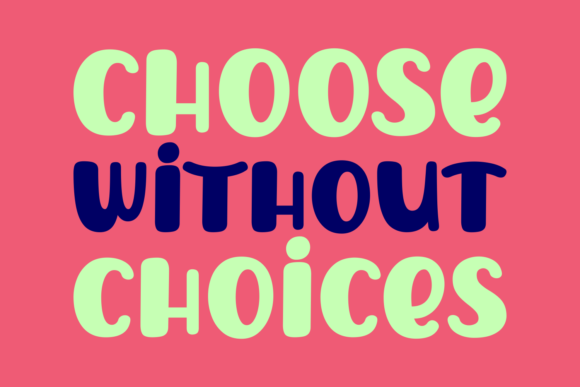
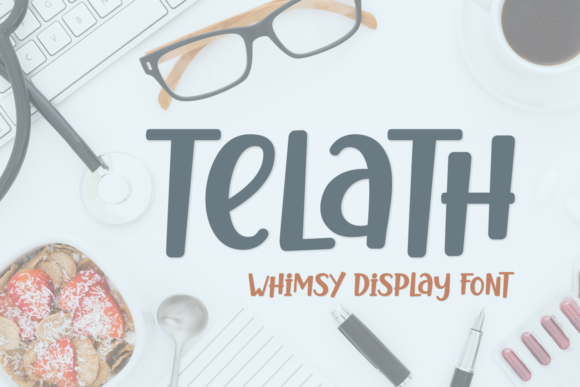
Telath sits somewhere between playful and refined. It has a friendly structure that feels both modern and handcrafted, avoiding the stiffness of traditional serif fonts and the coldness of overly minimal sans serif typefaces. There’s a gentle bounce in the letterforms, a slight quirkiness that makes it memorable without being loud. This balance means it works on busy backgrounds — like a bakery box pattern or a textured product photo — but it also holds its own on a clean white label or a simple website header. For a small business owner, that versatility is genuinely useful. You don’t need five different fonts; you need one that can adapt and still feel like you.
Why a Consistent Display Font Builds Trust
Customers notice consistency, even if they don’t consciously register it. When your café menu, your loyalty card, and your Instagram story all use the same headline typeface, it creates a subtle sense of reliability. That’s where Telath fits in. As a display font, it’s designed for larger sizes — headlines, titles, short bursts of text — where personality can shine. It’s not meant for long paragraphs of body copy, and that’s actually a strength. It forces you to reserve it for the moments that matter most: the name of your product, the tagline on your website banner, the greeting on your thank-you card. That restraint signals professionalism.
I’ve seen too many small businesses grab whatever free font feels trendy and then struggle to look cohesive across touchpoints. A premium font like Telath removes that guesswork. Its character is distinct enough to anchor your brand identity, yet neutral enough to pair with a clean sans serif or a readable serif font for longer descriptions. This means your packaging, social media graphics, and digital ads can all share a recognizable typographic voice, which is a quiet but powerful way to build trust with your audience.
Where Telath Feels Most at Home in Real Business Materials
Let’s talk specifics. If you’re a maker, a creator, or a service provider, you’re probably juggling multiple customer-facing materials. Telath can slide into most of them with a little thought. Here’s how it tends to perform across common business touchpoints.
Logos and Business Cards
A logo often lives or dies by its type. Telath works well for wordmarks and primary logotypes, especially for brands that want to feel approachable rather than corporate. A wedding photographer, a children’s clothing boutique, or a handmade soap business could use Telath as the main logo typeface and look instantly more established. On business cards, the font stays readable at moderate sizes while still delivering that personal, creative feel that makes people want to hold onto the card.
Product Labels and Packaging Design
This is where Telath really shines. Imagine a small batch candle label with the scent name set in this friendly display font, paired with a simple sans serif for the ingredients. The contrast creates hierarchy without clutter. For a bakery, a cookie bag label or a sticker on a pastry box feels immediately warmer with Telath’s soft shapes. It works on kraft paper, glossy pouches, clear labels, and even fabric tags. The mood stays consistent — approachable, handmade, but never sloppy.
Social Media Graphics and Digital Ads
On Instagram, Pinterest, or Facebook, you have a split second to catch someone’s eye. Telath’s distinctive letterforms help your quote cards, sale announcements, or new product reveals stand out in a scrolling feed. Because it’s not overly decorative, it remains legible at thumbnail size, which is a common issue with many script fonts or overly stylized handwritten fonts. For Pinterest pins, where a strong headline drives clicks, this typeface performs well without needing extra graphic tricks. It also looks great on website banners, especially for online shops, coaching businesses, and creative studios that want to avoid a corporate tech vibe.
Menus, Flyers, and Physical Signage
If you run a café, a small restaurant, or a pop-up shop, Telath can give your printed materials a cohesive look. Use it for your menu section headers, your daily specials board, or your event flyers. It reads well from a distance on printed signage, but it also feels personal up close when someone is reading a folded paper menu. The font’s friendly nature softens the experience, making your business feel more human — which is exactly what local shops should aim for.
Readability in Real-World Settings
One hesitation many business owners have about display fonts is readability. If a font is too quirky, it can become illegible on small screens or when printed at certain sizes. Telath avoids this pitfall. While it’s clearly a display font and not meant for body text, its letterforms are clean enough that short phrases stay readable across mobile devices, product labels, and printed packaging. Test it on a phone screen with your common headline phrases. Try it on a mockup of a lip balm label or a jar sticker. In most cases, the font holds up well, even when scaled down to sizes you’d actually use for a real product.
That said, always print a test sheet. The weight of the ink, the paper texture, and the printing method can subtly affect how Telath looks. If you’re screen printing tote bags or embossing leather tags, the font’s friendly shape might need slight adjustments. But for digital layouts and standard commercial printing, it’s a reliable choice.
Testing Telath Before Rolling It Out
Before you commit to Telath across your entire brand, I’d suggest a small test run. Pick three assets — maybe your Instagram highlight covers, a product label, and your email newsletter header — and apply the font there. Live with it for a week. Notice whether it feels like your brand or slightly off. Ask a few loyal customers what they think. Sometimes a font looks great on a mockup but doesn’t quite match your actual customer base’s expectations. Telath tends to work especially well for brands targeting younger, design-conscious audiences or anyone who values a handmade, personal touch. If your brand is ultra-corporate or extremely formal, this might not be the right fit. But for most creative entrepreneurs, makers, and service providers, it hits a sweet spot.
Simple Font Pairing Ideas
Telath is a display font with personality, which means it typically needs a quieter partner for body text and smaller details. This is where font pairing comes in, and it’s easier than you might think. A straightforward approach is to match Telath with a clean sans serif font — something like a geometric or humanist sans serif. The contrast keeps things readable while letting Telath’s charm do the work in headlines. If your brand leans more traditional, a classic serif font can complement Telath nicely, creating a balanced look that feels established but not stuffy.
For example, a boutique owner might use Telath for the main product name on a hangtag and a simple sans serif for the care instructions. A life coach might set their website headlines in Telath and use a neutral serif for the longer paragraphs. The key is to let Telath be the star in short, impactful moments. Don’t try to force it into body text or tiny legal lines — that’s not its purpose, and it will only make your materials harder to read.
Licensing and Commercial Use
One practical note that often gets overlooked in the excitement of finding a great font: check the commercial licensing. Telath, like many premium fonts, likely comes with specific terms around how you can use it. If you’re planning to put the font on products you sell, include it in downloadable templates, use it in client work, or embed it on your website, you need to make sure your license covers those uses. Some fonts restrict usage on merchandise or require an extended license for digital ads. Always read the license agreement before you finalize your packaging or upload your site. This protects your business and keeps you on the right side of typography creators.
Bringing Your Brand to Life with the Right Typeface
Finding the right display font can feel like a small thing, but it has a ripple effect across your entire brand. Telath gives you a consistent, friendly, and recognizable visual voice that works across packaging, social media, and beyond. It helps your business look more intentional without forcing you to become a design expert. By pairing it thoughtfully, testing it in real scenarios, and using it consistently, you can create a brand identity that feels both professional and genuinely warm. And that’s exactly the kind of impression small businesses need to leave.