Cough: The Playful Display Font for Crafters and Makers
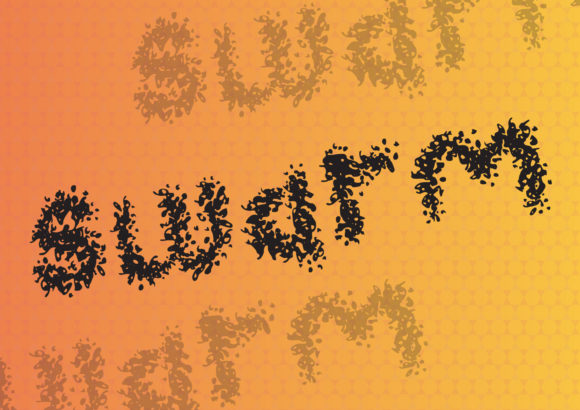
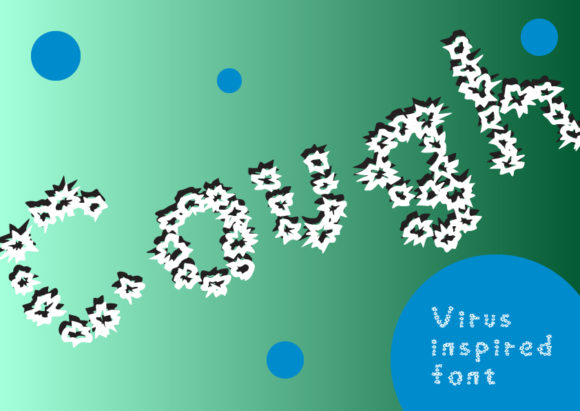
When you run a handmade shop or design printables for a living, you know that the right font can transform a simple label into a keepsake. Cough is one of those rare finds—a display typeface that feels like a secret weapon for product creators. Inspired by the microscopic world of bacteria and viruses, it takes shapes we usually associate with science and turns them into something original, cute, and endlessly charming. The letterforms have a rounded, bubbly, slightly irregular personality. They look like friendly little organisms holding hands, and that quirky character gives your work an instant dose of warmth and whimsy. It is not trying to be sleek or elegant; it is proud to be a little odd, and that is exactly why crafters fall in love with it.
If you sell on Etsy, run a small stationery brand, or create custom orders for weddings and events, you need fonts that do more than just spell words. You need them to tell a story, to feel intentional, and to make your customers smile before they even read the message. Cough delivers that emotional punch. It has a handmade spirit that resonates with people who value creativity over perfection. Whether you are printing gift tags for a holiday market or designing a new sticker sheet for your shop, this font brings a sense of play that feels both modern and nostalgic at the same time.
What Makes Cough Stand Out in a Sea of Display Fonts
Most display fonts lean hard into one of two directions: they are either overly formal serif designs or exaggerated scripts that lose readability at small sizes. Cough occupies a completely different space. Its organic, almost squishy shapes feel alive. The letters are built with soft curves and uneven edges, as if each character grew on its own. Yet the overall design remains surprisingly clean and legible. That balance is a gift for product-based businesses. You get the personality of a hand-drawn font without sacrificing the clarity your customers need when they read a product label or a wedding invitation.
The typeface was inspired by bacteria and viruses, but the final result is nothing like a medical textbook. Instead, it feels like a children’s book illustration come to life. The cute factor is high, but it is not childish in a way that limits your audience. A bath and body shop could use it for soap labels just as easily as a bakery could use it on cookie packaging. It crosses genres because it taps into something universal: the joy of discovering something small and delightful.
Where Cough Shines in Real Craft Projects
Let’s get practical. You are probably picturing how this font performs on actual products, not just on a screen. Cough works best as a headline or focus word. It is made for short phrases, names, titles, and decorative wording. I have tested similar fonts on everything from clear sticker paper to brown kraft labels, and the key is understanding where a display font can lead the design. Here are a few places where Cough truly shines:
- Product labels for candles, soaps, and skincare. The rounded, friendly letters soften the look of a jar and make a small-batch product feel approachable and handcrafted.
- Birthday invitations and party decor. Use it for the child’s name or the age number. It turns a standard invite into a mini celebration before the party even starts.
- Wedding welcome boards and signage. Paired with a simple sans serif, Cough can highlight the couple’s names or a short welcome phrase, adding a romantic, whimsical twist to modern calligraphy trends.
- Sticker sheets and planner decals. The playful shapes make excellent motivational words, days of the week, or tiny icons when you use the font for short bursts of text.
- Printable wall art and nursery decor. A single word like “dream” or “explore” in Cough becomes a soft, imaginative focal point for a child’s room or a cozy reading nook.
- Farmhouse or cottagecore signs. Surprising but true: the organic feel of this font pairs beautifully with rustic wood textures and muted color palettes, giving a fresh twist to a popular aesthetic.
- Holiday product packaging. Think Halloween treat labels, Christmas gift tags, or Easter basket hang tags. The bubbly letterforms echo the festive, lighthearted mood of seasonal celebrations.
In each case, the font acts as the personality piece. You are not asking it to carry long paragraphs; you are using it to grab attention and set a tone. That is exactly how a display font should be used in a craft business.
Readability, Cutting Machines, and Small-Scale Details
One of the biggest fears for any crafter using a decorative font is how it will translate to physical materials. Cough holds up surprisingly well, but you need to respect its nature. I recommend keeping the size at least 18 points for printed cards and labels, and going larger for any text that will be cut with a Cricut or Silhouette machine. The rounded terminals and slightly irregular strokes mean that very tiny text can lose definition, especially on textured paper or when you are weeding vinyl. Test cuts are your friend. For sticker sheets, aim for bold, single-word uses where the letter width is generous enough to cut cleanly without tearing delicate curves.
When you are creating mockup previews for your shop, Cough photographs beautifully. Its shapes create interesting negative space, and even a simple phrase on a cream background looks intentional and styled. If you sell digital downloads, the font’s unique character reduces the need for heavy illustration work. The lettering itself becomes the art. That can save you hours of design time while still producing a product that feels premium and complete.
Font Pairing Ideas That Elevate Your Brand
No font works alone, and pairing is where you can stretch your creative muscles. Cough has a strong personality, so it needs quiet partners. Think of it as the lead singer in a band: you want the rest of the instruments to support without competing. A clean sans serif font is your safest and most effective choice. Something geometric and neutral, with a steady x-height, lets the display font do all the talking while keeping the secondary text readable. This is essential for product labels where you need ingredient lists, care instructions, or your shop URL to be clear.
You can also pair Cough with a simple serif font for a slightly more traditional feel. A light, transitional serif adds a touch of elegance that works well for wedding stationery or boutique tags. If you want to lean into the handwritten, organic vibe, look for a slim, casual script font that does not have too many flourishes. The goal is contrast without chaos. Avoid pairing Cough with another heavily decorative font. That tends to create visual noise and makes your products look amateurish rather than artfully layered.
When you build a brand identity around a specific font combination, your customers start to recognize your style before they even see your logo. Consistency across product photos, packaging, and social media graphics builds trust. Cough can become that signature element that makes your candle labels, sticker packs, and wedding signs feel like they belong to the same creative family.
Working with Font Files and Design Software
Before you commit to a new font for your product line, you want to know what you are actually getting. Cough is a display font, so you will likely receive standard file formats that work across all major design programs. Whether you use Adobe Illustrator, Affinity Designer, Procreate, or free tools like Inkscape, you can expect smooth installation. If the font includes alternates, ligatures, or swashes, those are worth exploring, especially for invitation design and logo work where you want a custom, hand-lettered look without starting from scratch. Check the glyph panel in your software to see if there are any extra characters or decorative elements tucked away. Even a single alternate letter can change the feel of a word and make your design feel more exclusive.
Multilingual support is another practical consideration. If you sell to an international audience or create products for bilingual families, having accented characters and extended Latin glyphs matters. It means you can design a birthday invitation in Spanish, a Christmas tag in French, or a nursery print in German without hunting for a different font. That flexibility expands your market and reduces friction in your workflow.
Commercial Licensing and Protecting Your Shop
Let’s talk about the business side because this is where many makers get stuck. You need to know that you are legally covered when you use a font on products you sell. Cough, like any premium font, comes with a license. Make sure you review the specific terms before you list your first item. Standard desktop licenses often allow you to use the font for personal projects or a limited number of commercial prints, but when you are selling physical products, digital downloads, SVGs, or design templates, you may need an extended commercial license. Do not skip this step. Font designers deserve to be paid for their work, and a proper license protects your business from infringement claims that could shut down your shop.
If you use Cough in printable planner pages, SVG designs for cutting machines, editable templates, or merchandise like mugs, shirts, and tote bags, confirm that your license covers those uses. Some foundries require a separate license for font embedding in digital products or for items where the font itself is the main selling point. This is standard practice, and it is worth the investment. When you factor the cost into your product pricing, you can still offer affordable, beautiful items while operating ethically and professionally.
Making the Font Feel Like a Natural Part of Your Creative Toolkit
After working with countless fonts for my own craft projects, I have learned that the best ones are not always the most popular or trendy. They are the ones that feel like they were made for you. Cough has that rare quality. It is specific without being limited. It is cute without being cloying. And it solves a real problem for sellers who want to stand out in a market saturated with the same brush scripts and serif duos. When you use it on a set of product labels, your candles stop looking like everyone else’s and start looking like a collection you would proudly give as a gift.
Think about how you can incorporate it into your next product launch. Maybe you have been wanting to create a line of playful kitchen towels with cheeky phrases, or a new thank-you card design that feels fresh and unexpected. Cough can be the anchor. Use it sparingly, let it breathe, and pair it with generous white space. The result is design that feels considered, creative, and completely yours. That is the kind of work that attracts loyal customers who keep coming back, not just for the product, but for the feeling your brand gives them.